About
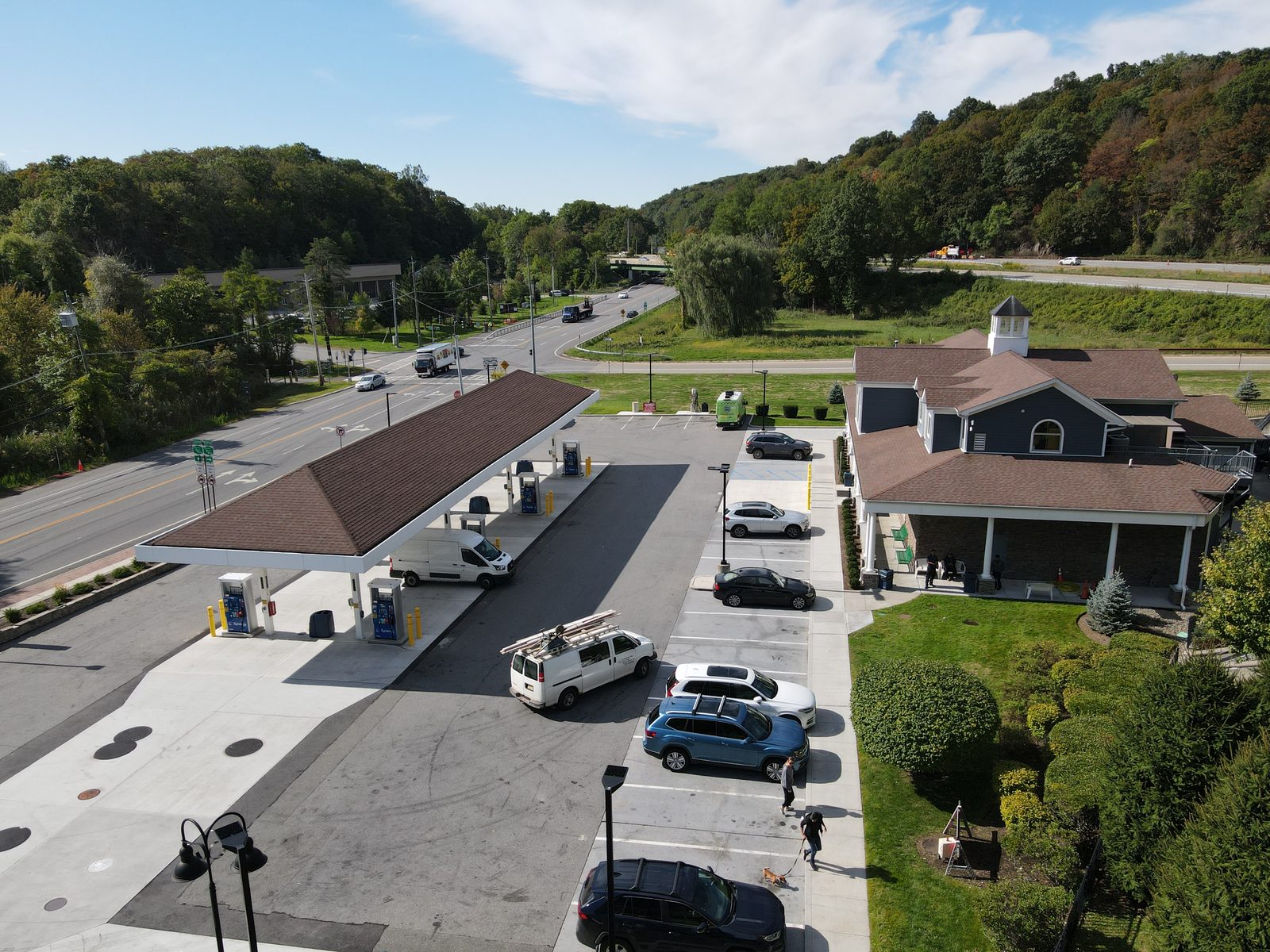
People, and automated systems, increasingly query AI platforms to search for answers. Instead of using traditional search and map tools, questions are being posed to these platforms to find products and services in the real world, on real shelves, in physical retail locations. StreetTea's mission is to make independent retailers visible to the machines. When people, and the systems searching on their behalf, search for you, the answer is accurate and current. How does one make sure that their information is cited, correctly, for a given location? Our goal is to solve that problem at scale.
As an operator of two stores, I ran a test of questions through each of the major platforms. For the most part, they knew my stores existed, but they couldn't say what I sold, what deals I offered, or why I might be the better stop over the chain down the road. The AI would continuously recommend chains over my stores because the chain publishes data on a scale that I couldn't.
How
With StreetTea, we solve this by publishing factual, photo-backed data in a form the machines can easily read.
Most store websites are built for humans. Someone can look at a page and understand that "$4.09" is the price of regular gas and "24 hours" is the store's hours, but a machine reading that same page is mostly guessing. It sees text, not meaning. That guesswork is a big part of why AI assistants inaccurately cite local stores or end up skipping them entirely.
A StreetTea storefront is different. Behind every page is structured data, providing the same information but explicitly labeled so a machine knows exactly what each one is: this is the fuel price, this is the cash price versus the credit price, this is a deal that runs after 3 PM, this is what the store carries. Instead of leaving an answer engine to interpret a page, we hand it clear, unambiguous facts it can cite confidently. The difference becomes a machine reading between the lines and a machine being told, plainly, what's true.
This data doesn't come from a form someone filled out years ago or a stale directory. It comes from photos taken inside the store: the price sign, the cooler, the deli case, the shelf. Each photo carries the date it was captured, so a system quoting it knows how current it is. Fresh, verified data becomes trustworthy. Stale data gets left behind.
This results in a page built for two audiences. A person can read it and see what a store sells and what it costs. A machine, like your AI assistant, a search engine, and increasingly the automated systems that will do our searching and buying for us, can read the exact same page and quote it accurately, because we've provided the rails for communicating with both.
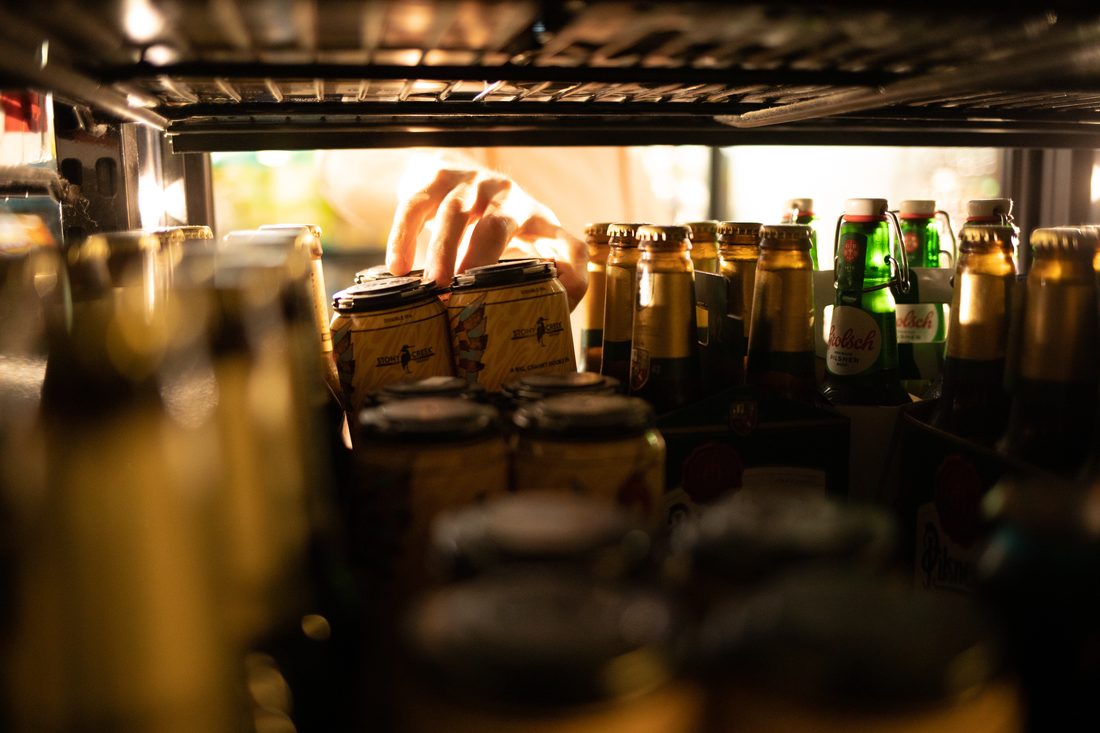
Gas stations and convenience stores
Why are we starting with gas stations and convenience stores? These are habitual, daily stops for many people in America. On the way to work, on a mid-day break, or heading home, we stop at the gas station. Not only because we want to, but because at some point, we must pull in and fuel up (EV drivers aside). Each with a different variety of products, deals, promotions, amenities and services, StreetTea can help these stores stand out to the right customer at the right time. We also understand that sooner than later, vehicles will begin to help drivers make decisions on where to stop, and why, and we're building specifically toward that type of future.
Thinking StreetTea could work for a business type other than retail fuels and convenience? We're actively evaluating verticals to extend to. Tell us about your business.